A molecule found twice
Glyphosate, chemically N-(phosphonomethyl)glycine, was first synthesised in 1950 by the Swiss chemist Henri Martin, who was looking for pharmaceutical uses and found none. Two decades later, John E. Franz at Monsanto in St. Louis tested it as a weedkiller and saw something remarkable: it killed nearly every plant it touched. Monsanto launched it as Roundup in 1974, and Franz later received the US National Medal of Technology for the discovery.
It is a simple compound, close in shape to the amino acid glycine. That simplicity is part of the story. Cheap to manufacture and easy to formulate, it became the default answer to a very old farming problem.
The enzyme it blocks
Glyphosate works by inhibiting an enzyme called EPSP synthase, a step in what biochemists call the shikimate pathway. Plants use this pathway to build three essential amino acids: phenylalanine, tyrosine and tryptophan. Without them, a plant cannot make the proteins it needs, and over one to three weeks it yellows and dies.
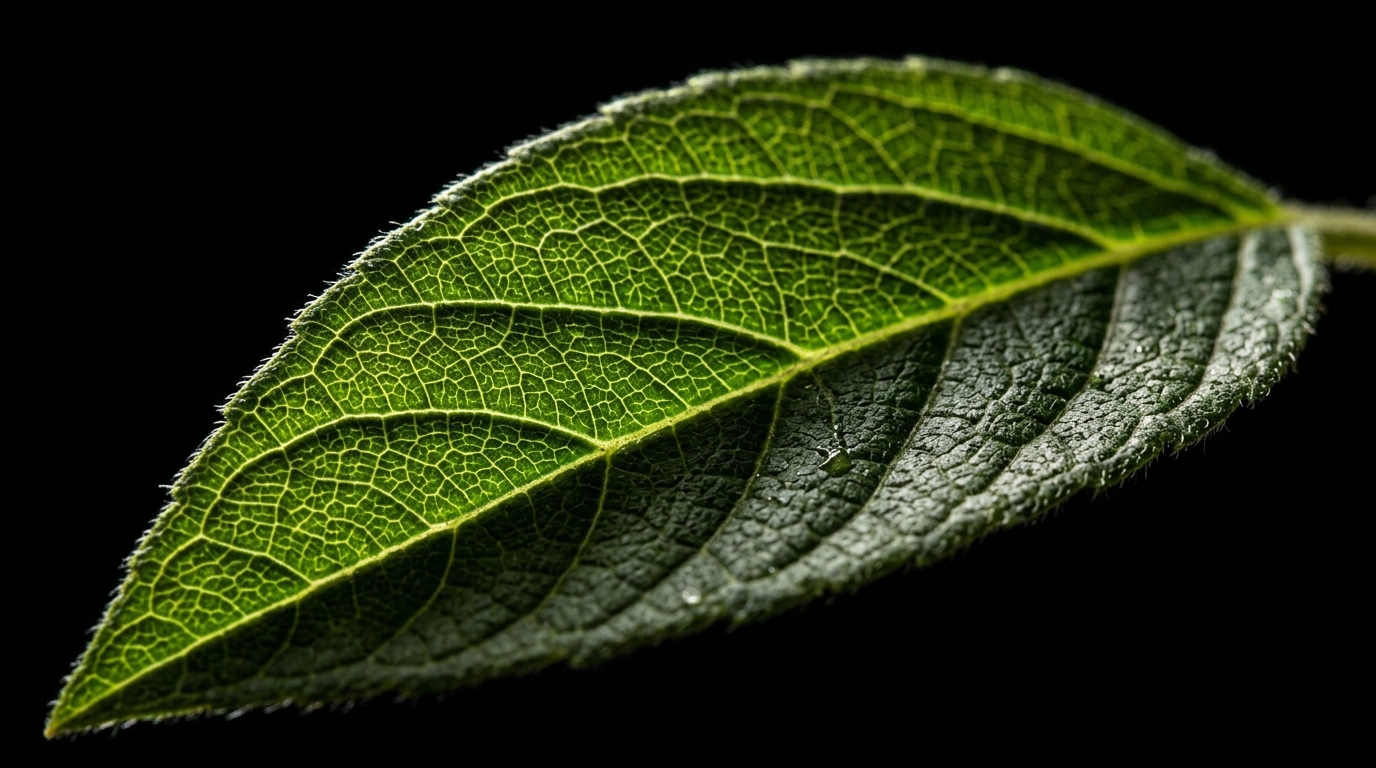
The herbicide is also systemic. Absorbed through the leaves, it travels in the sap to roots and growing tips, which is why it can kill perennial weeds with deep root systems that simply regrow after mowing or burning.
The point both sides cite
Animals do not have the shikimate pathway. We take those three amino acids from food instead. Supporters of glyphosate point to this as the elegant core of its safety case: the molecule targets machinery our own cells do not possess.
Critics answer that many bacteria, including some living in the human gut, do have the pathway. Whether residues at dietary levels meaningfully shift the microbiome is an open research question; laboratory findings exist, but evidence of harm in people remains limited and contested.
What happens afterwards
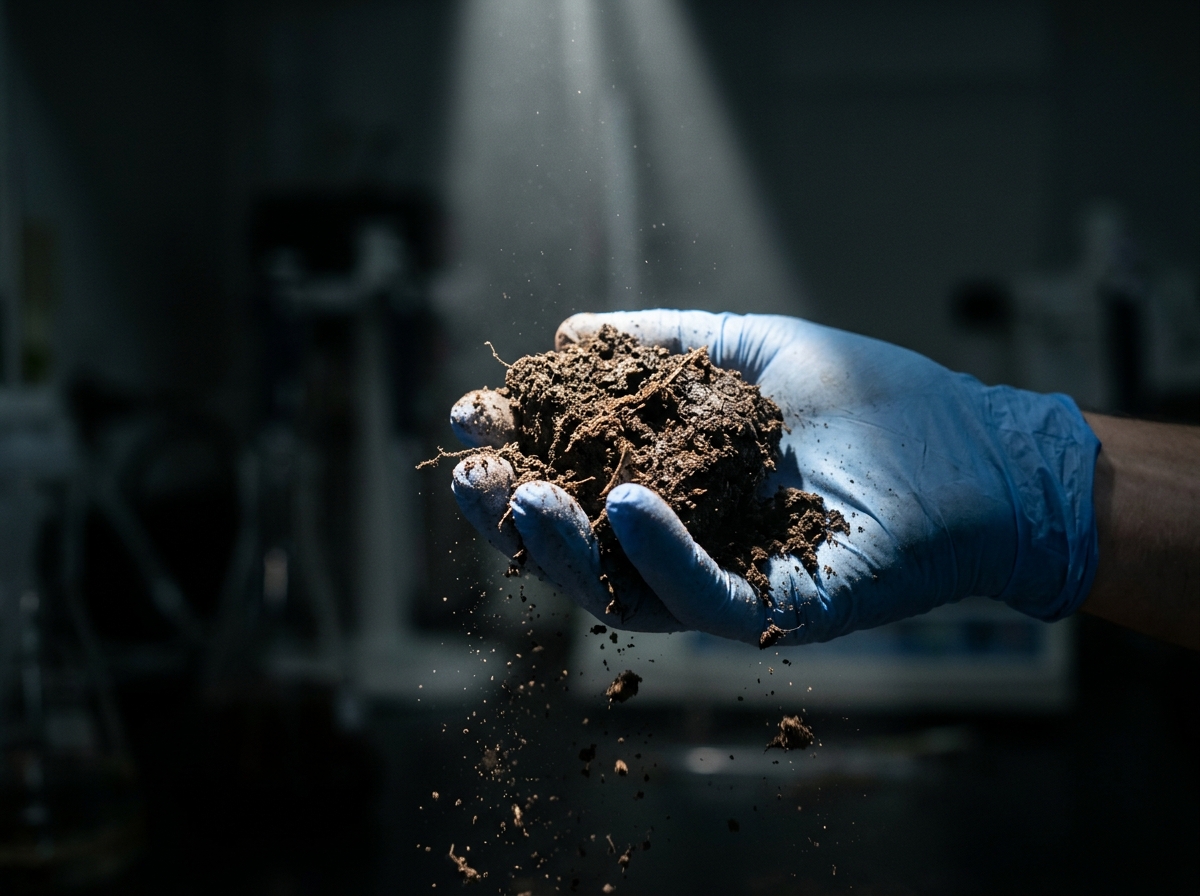
Once glyphosate reaches the ground, it binds tightly to soil particles, particularly clays and minerals rich in iron and aluminium. Soil microbes break it down, chiefly into aminomethylphosphonic acid, usually shortened to AMPA. Reported half-lives in soil range from a few days to several months, depending on temperature, moisture and soil type, and AMPA tends to persist longer than its parent.
Binding to soil limits how much leaches into groundwater, but it does not stop runoff when contaminated soil itself washes into streams. Monitoring by the US Geological Survey and European agencies has repeatedly detected glyphosate and AMPA in surface waters, usually at low concentrations. How to read those detections depends on what thresholds you trust.
The bottle is not just the molecule
A commercial product contains more than glyphosate. Surfactants help the active ingredient cross the waxy surface of a leaf. One family of these, polyethoxylated tallow amines (POEA), was found in several studies to be more toxic to aquatic life than glyphosate alone. The European Union restricted POEA as a co-formulant in 2016.
This is one of the quieter but more important threads in the debate. Regulators have historically assessed the active ingredient in depth and the full formulation less so. Some critics argue that real-world exposure is to the mixture, and the mixture is what deserves scrutiny.
Weighing it up
What reassures
- A target pathway absent in animals.
- Strong binding to soil limits leaching.
- Breaks down biologically rather than accumulating in food chains.
What gives pause
- Gut bacteria share the target pathway.
- AMPA persists and turns up in waterways.
- Formulations, not just glyphosate, reach the environment.
Our reading: the chemistry explains why glyphosate is both unusually effective and comparatively low in acute toxicity. It does not, by itself, answer the long-term questions, which is why the next chapter matters.