The plough and its price
For most of farming history, weeds were controlled by turning the soil. Ploughing buries weed seeds and seedlings, but it also exposes bare earth to wind and rain. The American Dust Bowl of the 1930s was, among other things, a lesson in what repeated tillage can do to dry soils.
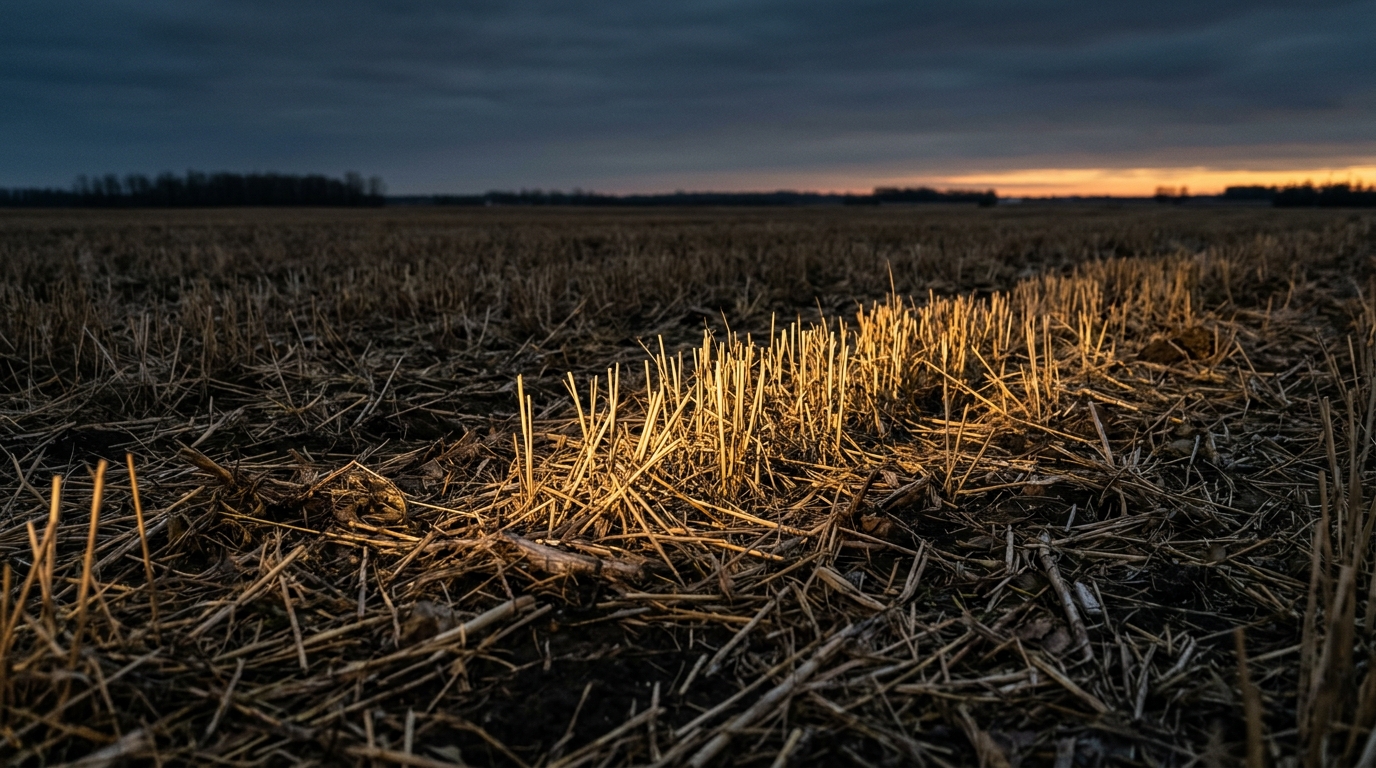
Glyphosate offered another route. A farmer could kill the weeds with a spray, leave last season's crop residue on the surface, and drill seed straight into it. This is no-till, or conservation agriculture, and its advocates credit it with reduced erosion, better soil moisture, lower fuel use and, in some studies, improved soil carbon in the upper layers.
The 1996 turning point
In 1996 Monsanto introduced Roundup Ready soybeans, genetically engineered to tolerate glyphosate. Farmers could now spray over a growing crop and kill only the weeds. Adoption was extraordinarily fast. Within a decade, the great majority of soy planted in the United States and Argentina was herbicide-tolerant, and Brazil followed after legalising the varieties in the mid-2000s.
In Argentina the combination of tolerant soy and no-till transformed the pampas, contributing to an export boom. It also raised hard questions about monoculture, the displacement of mixed farming, and the people living beside sprayed fields, concerns voiced especially strongly in provinces such as Córdoba and Santa Fe.
The weeds fight back
Any tool used everywhere, every season, selects for whatever survives it. The first weed confirmed resistant to glyphosate was rigid ryegrass in Australia in 1996. Since then the International Herbicide-Resistant Weed Database has recorded dozens of resistant species worldwide.
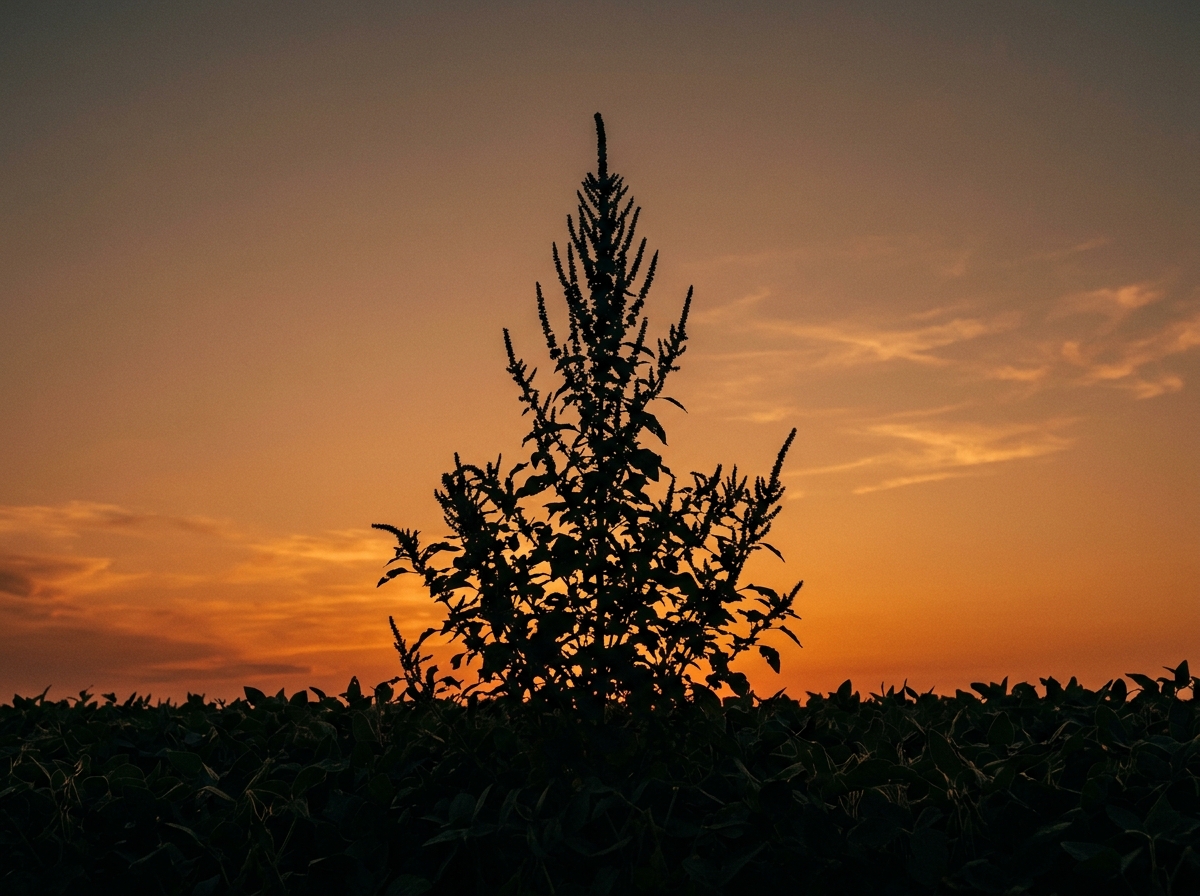
The most notorious is Palmer amaranth, a fast-growing pigweed that spread through cotton and soy fields in the American South from the mid-2000s. A single plant can produce hundreds of thousands of seeds. Where it took hold, some farmers returned to hand-weeding crews and tillage, the very practices glyphosate had replaced.
What the alternatives look like
There is no single replacement, and anyone who promises one is simplifying. Other herbicides, such as dicamba and 2,4-D, paired with newer tolerant crops, have their own controversies, including drift damage to neighbouring farms. Mechanical options range from precision hoes guided by cameras to the roller-crimper, popularised by the Rodale Institute in Pennsylvania, which flattens cover crops into a weed-suppressing mat.
Most agronomists now talk about integrated weed management: rotating crops, sowing cover crops, varying herbicide modes of action, and accepting that a little weed pressure is cheaper than a resistant population. It asks more knowledge and attention of the farmer, and it is harder to scale across thousands of hectares.
The household shelf
A smaller but telling detail: Bayer announced in 2021 that it would replace glyphosate in its US residential lawn and garden products from 2023, citing litigation risk rather than safety findings. Gardeners, unlike farmers, often have easier alternatives: mulch, hand-weeding, boiling water on paving.
Weighing it up
What it gives farmers
- Cheap, effective, broad-spectrum control.
- Practical no-till with soil and fuel benefits.
- Simple programmes on very large farms.
What it costs them
- Spreading resistance, notably Palmer amaranth.
- Dependence on a single tool and a single crop system.
- Tension with neighbours and communities.
Our reading: glyphosate's agronomic value is real, and so is its overuse. The question for most farms is less "keep or ban" than "how to use it less, and more wisely".